
Essential Add-ons and Plugins for Revit
19/08/2025
How to Use Revit for Interior Lighting Design
23/08/2025

The Importance of Parametric Design in Revit
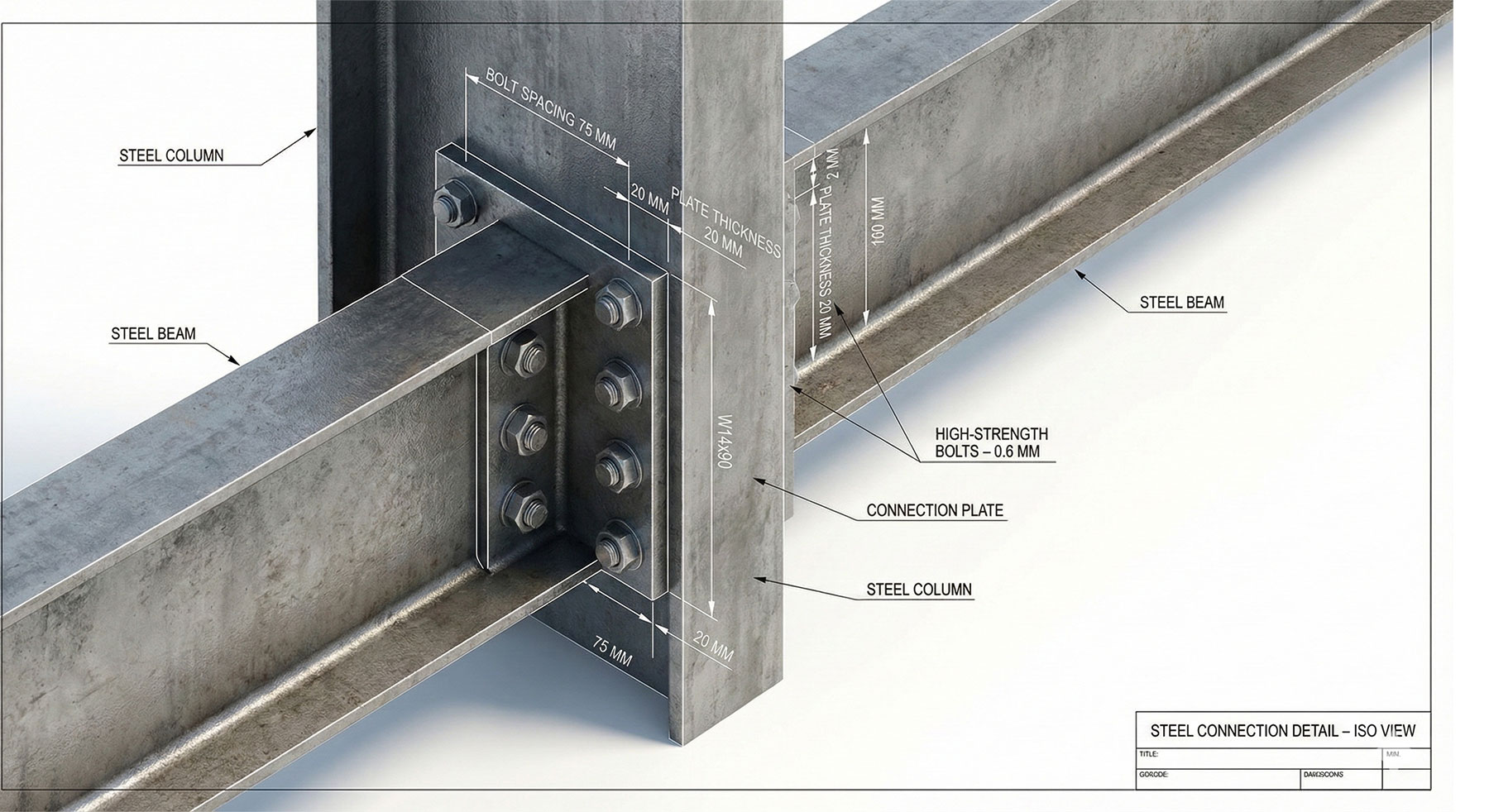
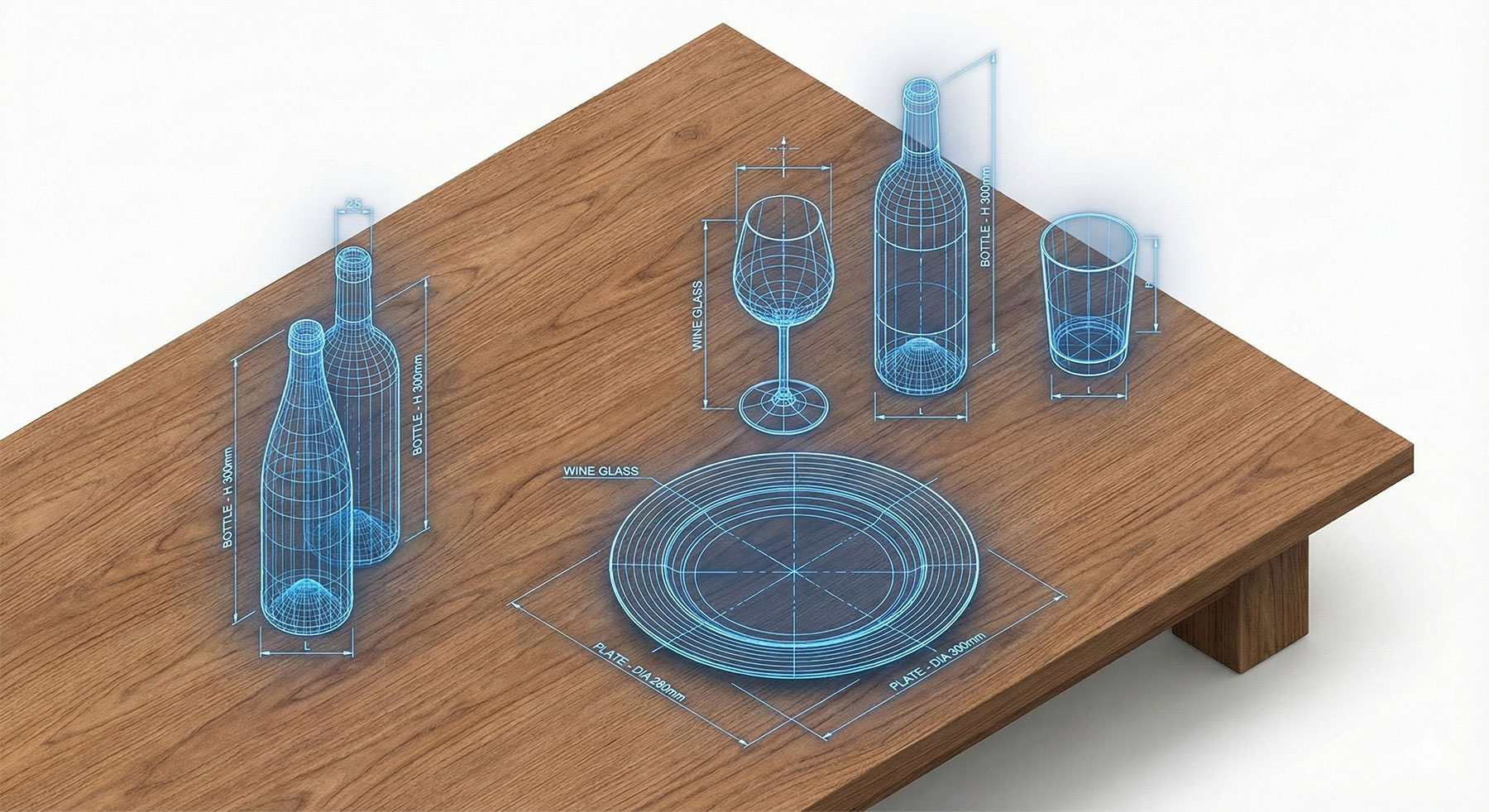
For many designers, a key benefit of Revit is its parametric modeling capability. Parametric design is a revolutionary approach. It allows you to create intelligent relationships between design elements. A change to one element automatically updates all related elements. Consequently, this saves a great deal of time and ensures accuracy. This article will explain the importance of parametric design in Revit. It will also show how it can transform your interior design workflow. For a comprehensive overview of the BIM workflow, you can visit our main course page: Revit for Interior Design: A Practical BIM Training Course.
What is Parametric Design?
In simple terms, parametric design means that every element in Revit is governed by a set of rules or parameters. These parameters can be dimensions, materials, or even relationships between different objects. When you change a parameter, the model adapts and updates automatically. This is a fundamental principle of the BIM process. You can learn more about this in our article on The Key Applications of Revit and BIM in Modern Design.
Key Benefits for Interior Designers
Using a parametric approach offers several key advantages.
1. Increased Flexibility and Efficiency
Parametric design provides immense flexibility. For example, you can change the height of a countertop. In that case, all the cabinets below it will adjust automatically. This allows you to explore multiple design options quickly and efficiently.
2. Enhanced Accuracy and Consistency
Since all elements are linked, there is no risk of human error when making changes. This ensures consistency across all your floor plans, sections, and schedules. You can see more tips on how to manage your workflow on our YouTube channel: Albe Studio YouTube Channel.
3. Better Data Management
Parametric elements are data-rich. This means you can easily extract information for material takeoffs and cost estimations. This is a vital part of the BIM workflow and helps with project management. You can learn more about this on the official Autodesk website.

The-Importance-of-Parametric-Design-in-Revit
Mastering Your Designs
Parametric design is not just a feature; it’s a way of thinking. It empowers you to create more sophisticated and adaptable designs. By embracing this approach in Revit, you can deliver precise and professional projects with greater confidence.