The Benefits of Using BIM in Renovation Projects
12/08/2025
10 Essential Revit Tips and Tricks to Boost Workflow Speed
17/08/2025

The Key Applications of Revit and BIM in Modern Design
The terms Revit and BIM are often used together, but they refer to two different things. BIM (Building Information Modeling) is the process, whereas Revit is one of the most powerful software tools for this process. Therefore, understanding their relationship is crucial for any modern designer. This article will explore the key applications of Revit and BIM, highlighting why they are essential for today’s interior design projects. To learn more about the overall workflow, you can visit our main pillar page: Revit for Interior Design: A Practical BIM Training Course.
The Synergy of BIM and Revit
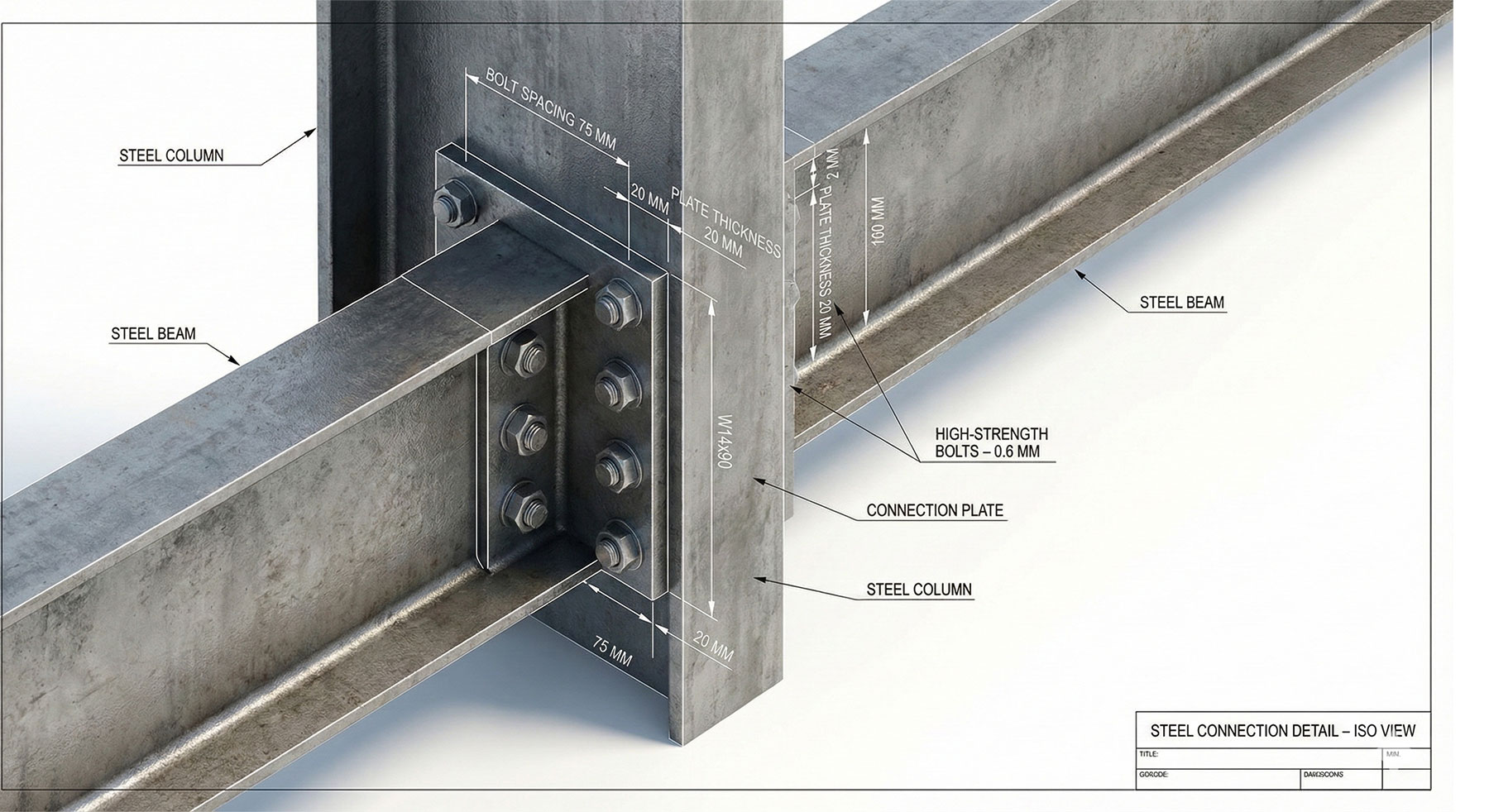
BIM is more than just 3D modeling. It’s a smart process that creates a central, data-rich model of a building. In fact, every element in this model, from a wall to a light fixture, contains important information. Revit is the software that allows designers to create and manage these intelligent models. It enables a collaborative workflow. Consequently, all project data is interconnected and easily accessible.
For interior design, this means a seamless integration of design and documentation. For a more detailed look at how BIM works with specific parts of a project, read our article: BIM Technology in Furniture, Decoration, and Interior Design.
Key Applications in Interior Design Projects
Using Revit within a BIM framework offers multiple practical applications. These applications streamline the design process.
1. Enhanced Visualization and Coordination
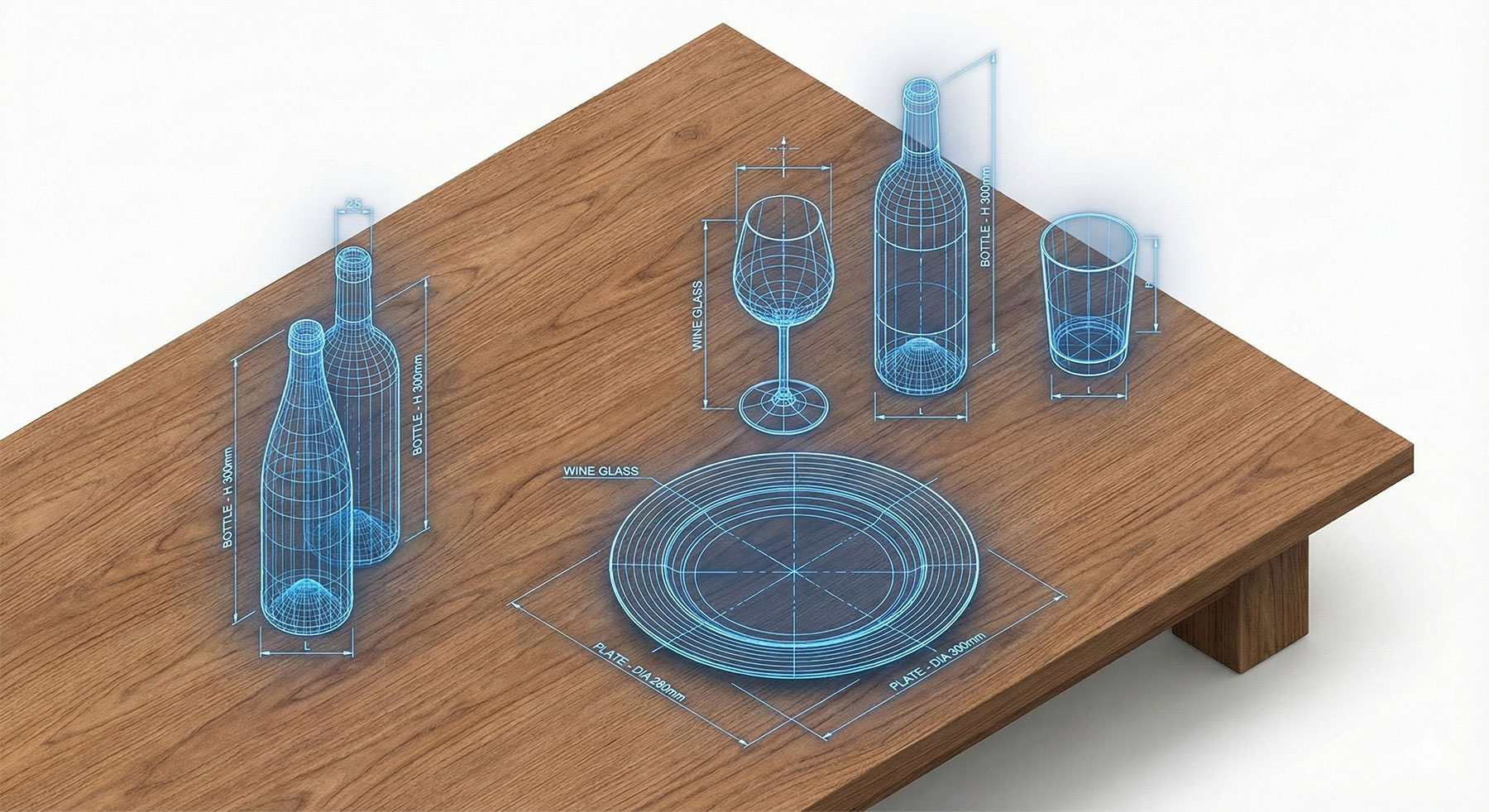
Revit and BIM allow for creating stunning, photorealistic renderings. Furthermore, they help create virtual tours. This helps clients visualize the space much better. Moreover, it improves coordination between the design team and other professionals, since everyone works from a single, accurate model. As a result, this reduces errors and conflicts.
2. Efficient Documentation and Data Management
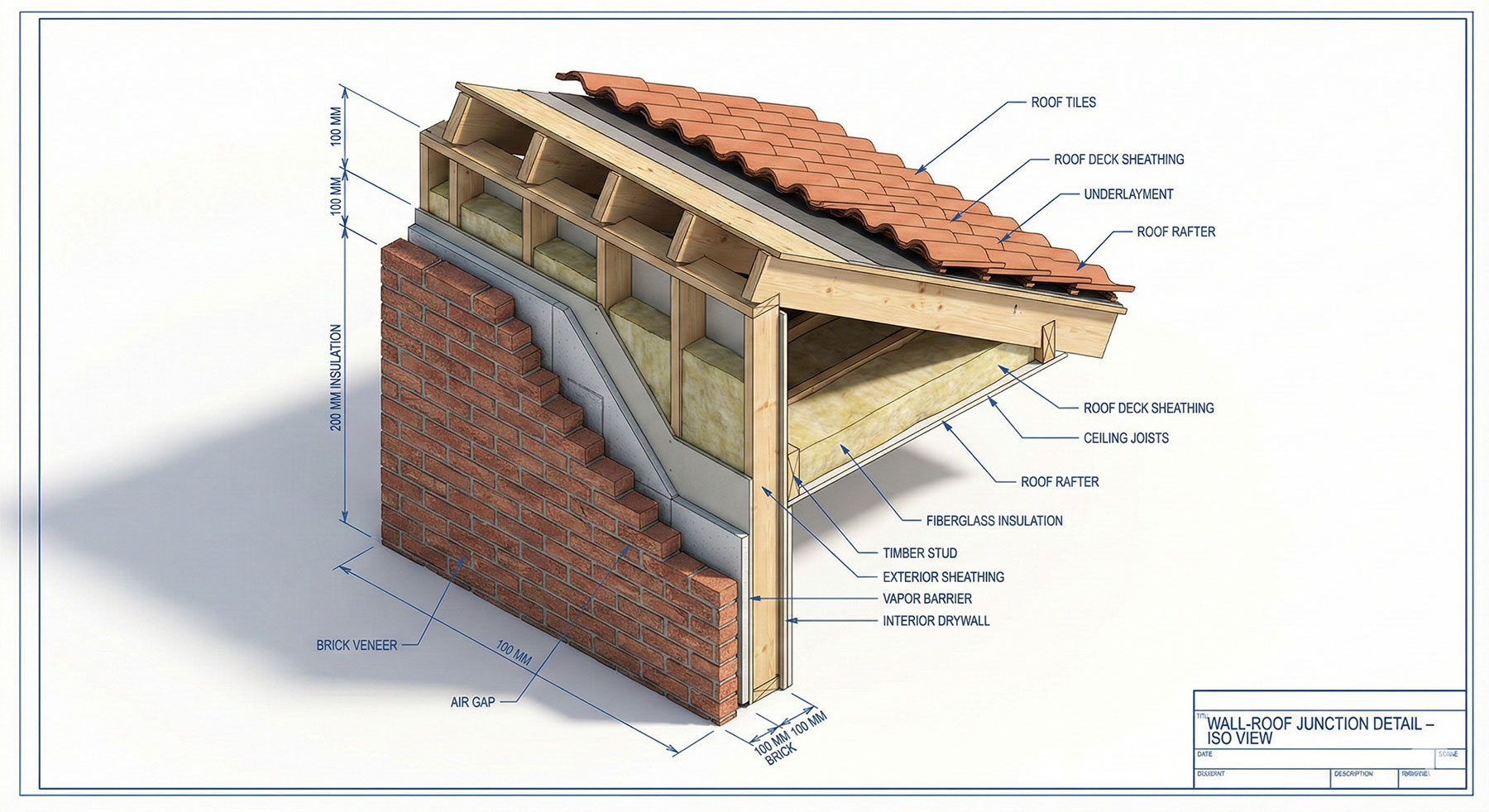
With Revit, you can automatically generate all your construction documents. These include floor plans, sections, and schedules. They are all generated directly from the 3D model. Because the model is data-rich, any change you make is updated everywhere. This saves time and ensures consistency. You can find more information about BIM on the official Autodesk BIM page. You can also find useful videos on the official YouTube channel: Albe Studio YouTube Channel.
3. Cost and Schedule Optimization
BIM models contain data about materials and quantities. Therefore, they can be used for material takeoffs and cost estimations. This helps you manage your budget and project timeline more effectively.
4. Sustainable Design Analysis
Revit and BIM tools can be used to perform energy and daylighting analysis. This allows designers to make informed decisions about materials and elements. Ultimately, this improves the project’s sustainability.
Revit and BIM: A Modern Necessity
In conclusion, Revit is more than just a design tool; it is the engine that powers the BIM process. By adopting this combined approach, interior designers can create better designs, improve project management, and collaborate more effectively. In fact, it is a modern necessity for anyone serious about the profession.